
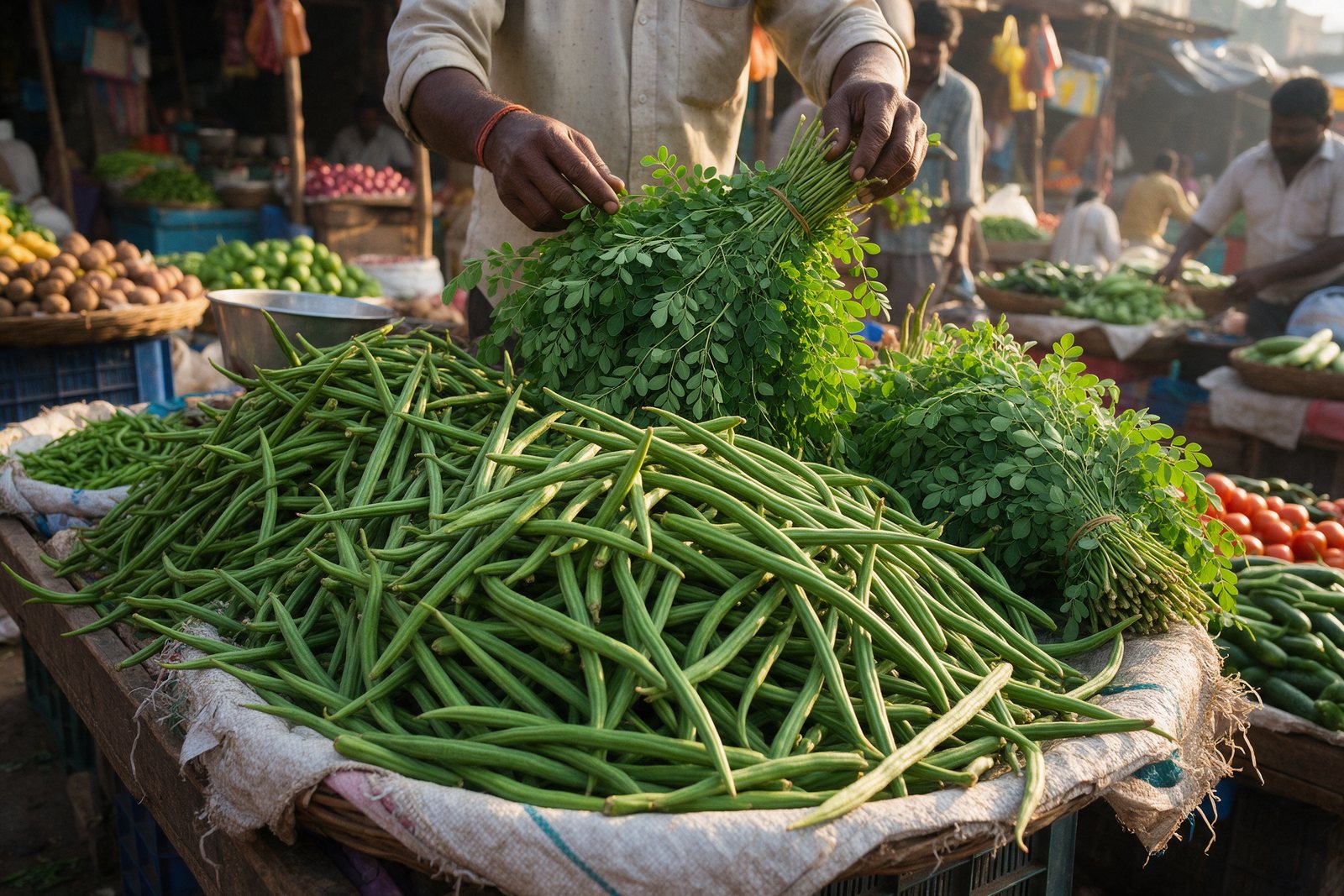
Ayurvedic medicine, which was born on the Indian continent, is one of the oldest and most respected natural medical and healing systems in the world. Within this great system are the sacred texts of medical records where healing modalities, procedures, proper foods to eat, herbs and plants are prescribed and written. These sacred methods in treatment are seen in Ayurveda from the times of Sushruta.
Many of its parts like drumstick leaves, fruit, oil etc. have immense health benefits targeted towards many systems like the digestive, heart and circulatory system. Out of the many herbs within the great ancient Ayurvedic texts of medicine, Moringa is recorded to have 300 successful applications in the healing process of critical ailments and diseases. Currently, the continent of India is the largest producer and exporter of medicinal herbs and is nicknamed “the botanical garden of the world”.
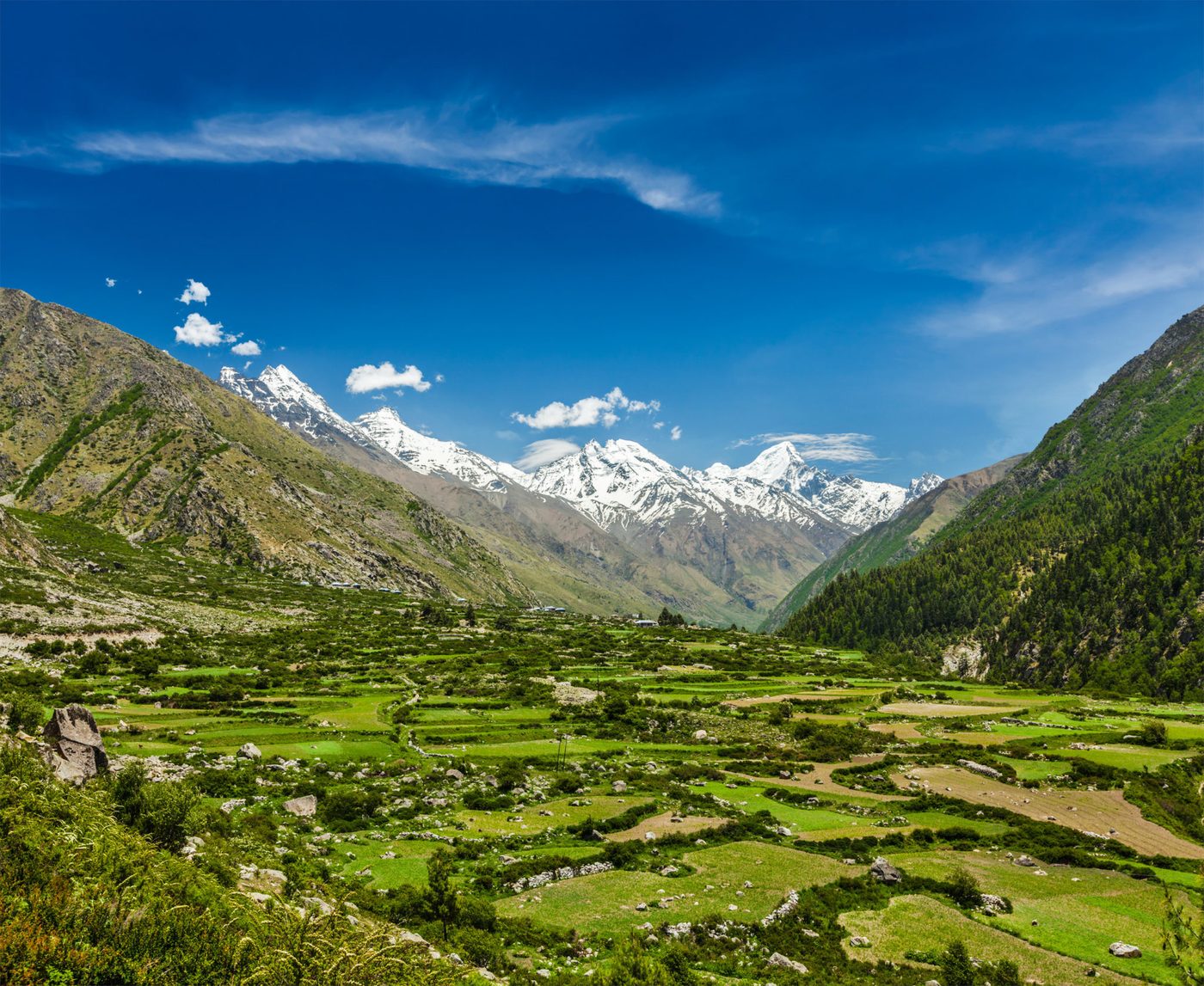
In this article however, we will focus on India’s magical nutritious and healing plant Moringa. Out of all the thousands of great herbs India produces, the Moringa plant stands out as perhaps one of the most famous healing herbs of them all.
The history of Moringa dates back to 150 B.C. Historical proofs reveal that ancient kings and queens used Moringa leaves and fruit in their diet to maintain mental alertness and healthy skin. Ancient Maurian warriors of India were fed with Moringa leaf extract on the warfront.
This elixir drink was believed to give soldiers energy boosts along with giving them relief from the pain and stress accumulated during war. These brave soldiers were the ones who defeated “Alexander” the Great. (Moringa: The herbal gold to combat malnutrition)
Geographically and historically, Moringa is native to the western and sub-Himalayan tracts, India, Pakistan, Afghanistan, Bangladesh. Local regional names of this area describe Moringa being called saijhan. In Pakistan, M. oleifera is locally known as ‘Sohanjna’ and is grown and cultivated all over the country (Qaiser, 1973; Anwar et al., 2005). The name Moringa comes originally from the Tamil/Malayalam word murungakk.
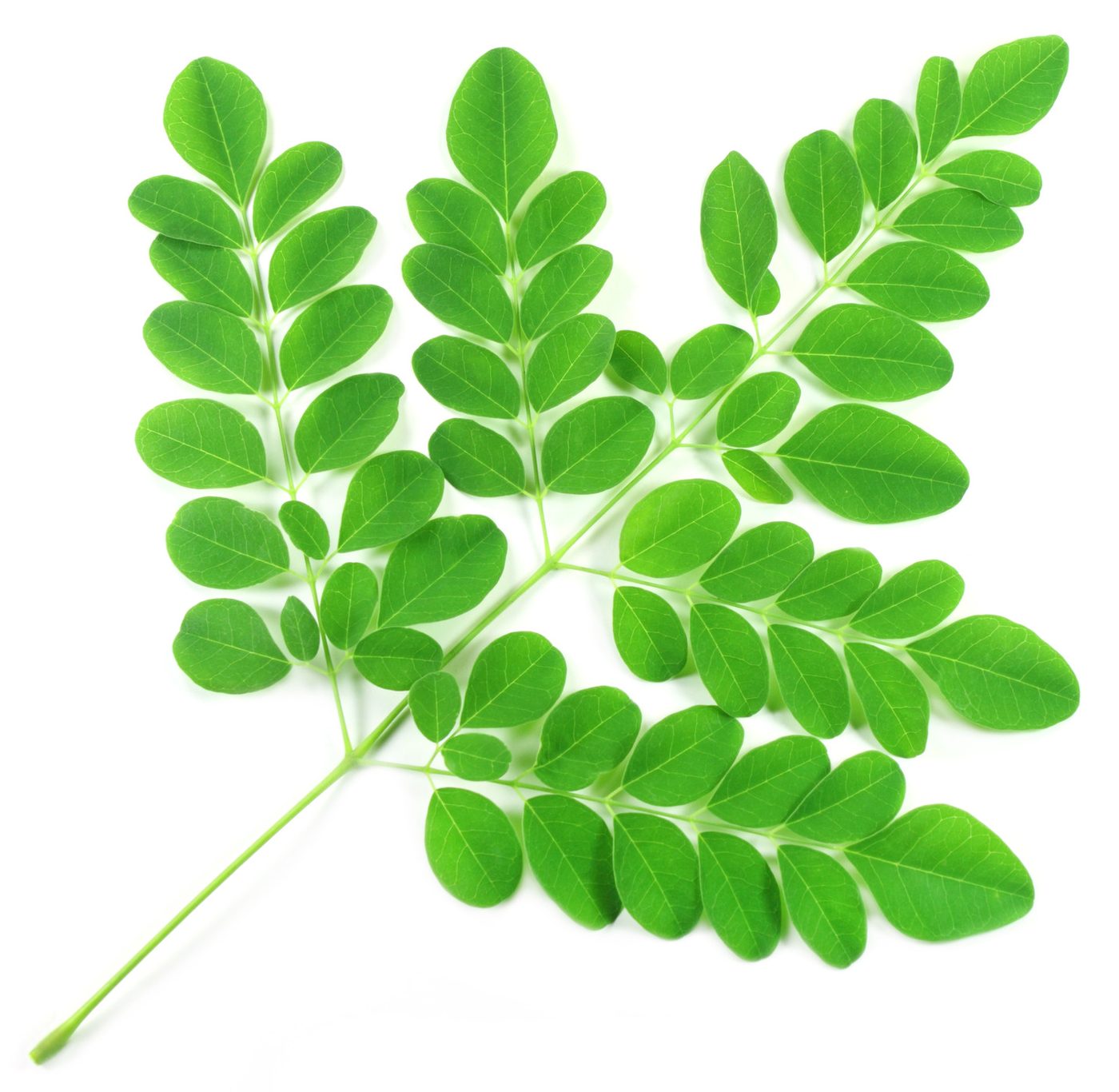
Other names for Moringa in India
- Hindi: Sahijan, Munaga, Sajana
- Sindhi: Swanjera
- Tamil: Murungai, Murunkak-kai, Morunga
- Telugu: Tella-Munaga, Mulaga, Sajana
- Kannada: Nugge mara, Nugge kayi
- Oriya: Munigha, Sajina
- Punjabi: Sanjina, Soanjana
- Rajasthani: Lal Sahinjano
- Sanskrit: Sigru Shobhanjan, Sobhan jana, Shobanjana
- Konkani/Goa: Moosing, Mosing
- Malayalam: Sigru, Moringa, Muringa, Murinna, Morunna
- Marathi: Sujna, Shevga, Shivga
The immature green pods are called “drumsticks” and are a highly valued and widely used part of the tree. This magical medicinal plant has the greatest potential for benefitting people nutritionally, especially those living in countries such as Pakistan and several Indian regions suffering from poverty, poor health, malnutrition, unemployment and isolation in international trade. (Moringa oleifera: a natural gift. A review)
The scientific evidence and proof of Moringa’s nutritional power has now been available for over 50 years, although much of it has been unknown to western scientists. In the late 1940’s and early 1950’s a team from India identified a compound they called pterygospermin. This group was also able to demonstrate its mode of antimicrobial action in the mid 1950’s. (NaturalNews.com, Moringa the miracle tree)
In India, diabetes along with obesity are supreme health issues all over the continent. Research indicates an estimated 6-12% of urban and roughly 2-3% of rural Indians suffer from diabetes. The most common type of diabetes is type 2, which is around 90-95%. It is usually associated with older age, family history, obesity, ethnicity and lack of exercise.
In several ethnic populations including the relatively non-obese South Indian population, the android pattern of body fat, typified by more upper body adiposity measured as waist hip ratio, was found to be a greater risk factor for type II diabetes than general obesity (Ramachandran, 1992 and Sheligikar, K 1991).
These studies have also revealed that central obesity is common in Indians despite low rates of general obesity in particular areas. This leads to the reason why there is a higher rate of diabetes in women than men. However, these numbers and statistics threaten to increase in the United States for the population of people of Indian descent because of the consumption or culture of the Standard American Diet. The S.A.D. diet usually contains processed unnatural foods with refined white sugar, flour, heavy amounts of dairy, meats, sodas and alcohol.
Moringa’s solution for India!
In a study of 15 subjects of 6 women and 9 men with obesity in India, they were supplied with Moringa powder to take in 50 gram pouches to use with food consistently for 40 days. The results were overwhelmingly positive, with serum glucose levels (blood sugar) decreased dramatically. For more information on the effects of Moringa and diabetes, read Moringa & Diabetes.
Furthermore, malnutrition has been a major issue in the world today. In particular, children are rapidly becoming the victims of malnutrition as a result of micronutrient deficiencies. These deficiencies are the result of a lack of vitamin A, calcium, iron and folic acid. These nutrient deficiencies are usually found in countries such as Africa and India.
This is where Moringa comes in for the powerful revival of nutrient loss of children and adults. According to a scientific report from Optima of Africa, 25 grams daily of Moringa leaf powder “will give a child the following suggested daily allowances: protein 42%, calcium 125%, magnesium 60%, potassium 41%, iron 71%, vitamin A 272%, vitamin C 22%“. These same benefits also apply to adults and senior citizens. This clearly tells us that Moringa is beneficial for people of all ages. Therefore, Moringa is powerful for the body and helps to increase energy, weight loss, mental alertness, strength, hair growth and overall vitality.
Furthermore, it is well known by now that in general, Moringa has 4 times the vitamin A of carrots, 2 times the protein of milk (and 4 times the calcium), 7 times the vitamin C of oranges, and 3 times the potassium of bananas. Moringa also has 25 times the iron of spinach, and is high in Omega 3’s.
Overall, Moringa contains 46 antioxidants and 92 vitamins and minerals. These facts easily make it the most power-packed and nutrient dense plant in the entire world! Further evidence of Moringa’s health reviving properties helps us to understand why the World Church Organizations have declared Moringa to be the official food or plant to solve the malnutrition problem in India and Africa.
Traditional culinary uses of Moringa in Indian dishes
As far as receiving the nutritional benefit of Moringa in Indian cuisine, the highly nutritious leaves, being a significant source of beta carotene, Vitamin C, protein, iron, and potassium, are usually cooked and used like spinach. In addition to being used as a common substitute for spinach, these leaves are usually dried and crushed into a powder, and used in soups and sauces. Murungakai, as it is locally known in Tamil Nadu and Kerala, is used in Siddha medicine. Its leaves are full of medicinal properties (Pandhre GR, Satwase AN., 2011).

Furthermore in South India, it is traditionally used in different sambar dishes along with being fried. In other sections of India, like in West Bengal and neighboring countries like Bangladesh, it is loved and adored.
In the International Research Journal of Pharmacy, titled “A Panoramic view on pharmacognostic, pharmacological, nutritional, therapeutic and prophylactic values of Moringa”, it states, “It is used in curries, sambars, kormas and dals, although it is also used to add flavor to cutlets, etc”. Furthermore in Maharashtra, the pods are frequently used in a sweet and sour curry called Aamatee.
In the states of Rajasthan and Gujarat, the pods are used to create a spicy curry dish called “Saragva ki Kadhi”. Last, the leaves of the Moringa are used in vegetable curries, salads, or as pickles and in seasoning. (www.irjponline.com)
Because of its beneficial effects, dry Moringa leaf powder has been used in the supplementary feeding program of the Integrated Child Development Scheme in India. The leaves are similar to spinach and are often offered together with such vegetables at markets, praised there for being “good for the eyes”, “very healthy for the whole body”.
Therefore we can conclude from previously discussed experiments on the effectiveness of Moringa on health, and the mountain of evidence of Moringa’s positive and nutritious effect on the body, that it has proven itself over and over again for centuries in India and around the world. In the Silicon Valley of the San Francisco Bay Area, there is an increasingly large and productive Indian labor workforce involved primarily in technology and business.
Therefore, Moringa would be increasingly important to sustain their health along with their families from sickness, disease and the Standard American Diet. Furthermore, our Moringa Magic powder is not only recommended for people with diabetes and obesity issues, but for the general population, men, women, children and especially for people who are health conscious. Moringa Magic in particular is a low-cost economical solution to improve your health and prevent the onslaught of ailments and disease.
Thanks for reading!
This article is property of KG Optimal Health.
These statements have not been evaluated by the Food and Drug Administration. This product is not intended to diagnose, treat, cure or prevent any disease.