
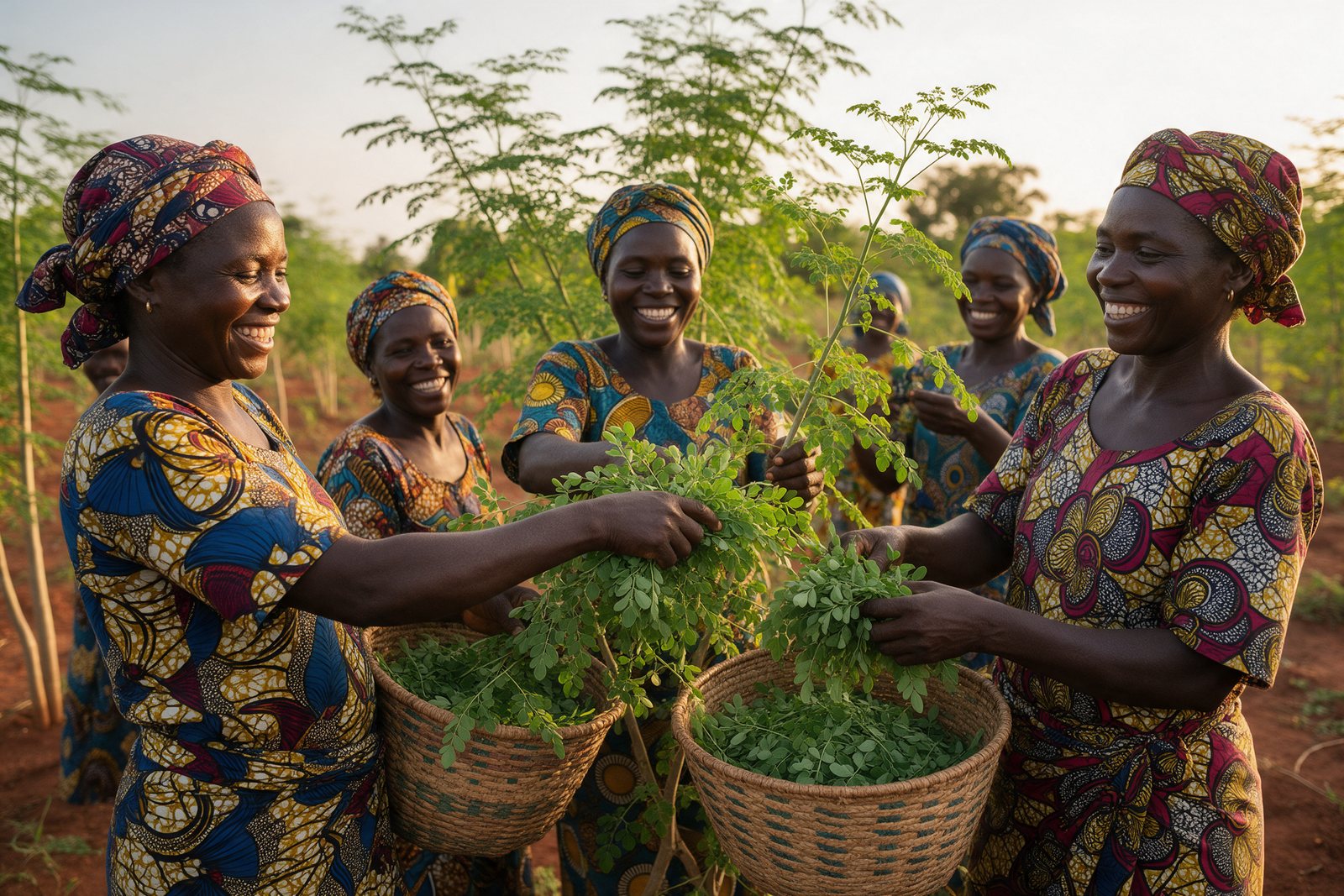
African Moringa Nutrition and the African Diaspora
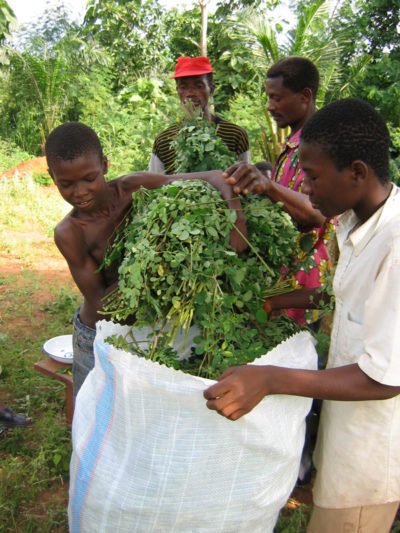
The medicinal and miracle Moringa tree, blessed by God and the universe, is native to Africa and India and cultivated in other parts of the African diaspora such as Madagascar, the Caribbean, South America, Mexico, and Arabia.
As a whole, Africa is home to the oldest herbal kingdom in the world. The oil from the Moringa Oleifera nut was used by the ancient Egyptians for beautifying the skin.
Other names used for this plant in Africa and the African diaspora are Brazil (Cedra), Mexico (Arbo e las perlas), English (Drumstick tree), French (Ben aile), Mali the Bambara (Nevrede) and in Ghana the Ewe people call it Yevu-ti.
In more modern times, the famous botanist and herbalist Kweku Andoh from Ghana was perhaps the first to expose, popularize and educate the world on the efficiency and superiority of this plant.
Now in regards to Moringa’s life durability, in Nigeria, this superior nutritious plant is called Nebedya in Igbo, meaning “never die”. The term Nebeday, meaning “never die”, is commonly revered because moringa, highly superior in vitamins and minerals, can survive in extreme drought and cold weather.
For example, Moringa is widely used as a hunger prevention method according to food experts. They document how it can grow in all of the world’s subtropical areas, where droughts and malnutrition are prevalent, in most parts of Africa, Central and South America, the Middle East and South-East Asia. In a recent report by the Nigerian Tribune, they depict the Moringa Oleifera plant as an official healer for plants and animals. My article points out the new and growing market for Moringa as interest in the plant has exploded world-wide.
African Moringa is Beneficial for All Ages
According to Optima of Africa, the leaves of the Moringa tree provide many nutrients which can be eaten fresh or dried in a variety of recipes. According to a scientific report from Optima of Africa, 25 grams daily of Moringa leaf powder “will give a child the following suggested daily allowances: protein 42%, calcium 125%, magnesium 60%, potassium 41%, iron 71%, vitamin A 272%, vitamin C 22%“. These same benefits also apply to adults and senior citizens. This clearly tells us that Moringa is beneficial for people of all ages.
Calcium as we know is a vital macro-element for human health. A cup of milk or yogurt could supply 300-400 mg; however 8 ounces of Moringa leaves contain 1,000 mg calcium. Moringa leaf powder of the same weight (8 ounces) contains over 4,000 mg calcium. Moringa is extremely high in iron. Three ounces (about 100g) has 7 mg of iron, while the leaf powder has 28mg.
Vitamin C, one of the most disputed, talked about and supplemented vitamins in the world, is found in Moringa in large quantities. 100 g of Moringa leaves contain more than 200 mg vitamin C, while 100 g of orange juice has only about 40mg. Right now in Dakar, Senegal, an ecumenical relief agency group is cultivating a West African “miracle tree” that could be a nutritional revival come true in nations devastated by the HIV/AIDS pandemic, poverty and resulting malnutrition.
New cutting edge research by Church World Service, the relief ministry of the U.S. National Council of Churches, in conjunction with the Senegalese organization Alternative Action for African Development, has documented the moringa tree’s value as a local, sustainable solution to malnutrition, especially among infants, children and mothers.
It is the seeds of Moringa that make it a potent galactagogue (a substance that naturally increases breast milk in African women). This is why a million of the trees have been planted through these lands to build up the immune systems of the people and complement a natural treatment for the disease.
Africans in America and Moringa Powder
Africans living in America would also do well health wise by consuming pure Moringa powder. They are extremely productive workers in technology, business, education, business ownership and many other areas. Therefore, Moringa would be wise to consume because any group living here is always susceptible to the Standard American Diet or S.A.D.
This S.A.D. diet is comprised of fast foods, burger joints, deep fried eateries using refined oils, white sugar and flour, sweets, cakes, pies, sodas and alcohol. However, the Africans do have a saving grace and that is access to their native foods, as long as it is prepared in the most healthy form possible. There are several African food shops around the U.S. which sell foods native to their lands such as Nigeria, Ethiopia and Senegal to name a few.
In addition, adding Moringa to African American diets with more native foods would give them an additional and powerful boost to their daily nutrition. This would prevent or help treat the typical American diseases and ailments such as high blood pressure, gout, diabetes, weight gain, cancers, strokes, and lack of energy. A Moringa boost would also aid in hair growth as these magical leaves are high in zinc and sulfur, which is needed for beautiful hair, skin and nails.
In Senegal, Africa, some doctors will provide pure Moringa powder to individuals suffering from dizziness or weakness. Furthermore across Africa, Moringa tree leaves are used to feed livestock animals because of its highly edible leaves and oils. Furthermore, on the island of Jamaica in 1817, a petition concerning Moringa oil was presented to the Jamaican House of Assembly. It described the oil as being useful for salads and culinary purposes, and being equal to the best Florence oil as an illuminant, giving clear light without smoke.
Furthermore Moringa leaves are traditionally used in Senegal to make a sauce. In addition, the leaves are crushed into a powder and sprinkled on their hot meals such as soups, porridge, millet and rice. Some Nile River villages discovered its effectiveness as a water purifier. Nigerians use crushed leaves to clean cooking utensils and the wood yields a common blue dye in Jamaica.
All in all, this magical tree is nutritionally perfect for all human beings, in particular people of Africa and African descent, whether you are African, Afro Brazilian (in particular in the state of Bahia, where the largest populations of Africans outside of Africa reside), the Caribbean Islands, Cape Verde, Madagascar, Cuba, Haiti, the Dominican Republic, the South Pacific, South America, the U.S. and Europe.
After all, reggae artist Peter Tosh stated in his hit song “African” that you are an African no matter where you are in the world. Moringa is truly the foundation for superior nutrition and the answer to solving the malnutrition problem in the great continent of Africa and Africans around the world.
These statements have not been evaluated by the Food and Drug Administration. This product is not intended to diagnose, treat, cure or prevent any disease.